

discuss@lists.openscad.org

OpenSCAD general discussion Mailing-list

View all threads

Problems with difference

R
rugyoga
Sat, Dec 19, 2020 5:30 AM

I'm helping a friend's daughter to construct a 120 sided solid by
3d printing a skeleton that she's going to cover in mylar.

My attempt is at:
https://github.com/rugyoga/catalan_solids/blob/main/disdyakis_triacontahedron.scad

Each face is a triangle.
To save some time, I wanted to print the parallelogram formed by four
triangles
so I only need 30 of them. Ideally I wanted them to snap together like lego
bricks.
So the edges that mate to the neighbouring parallelogram should be half
cylinders.
The code for the parallelogram works great.
But I can't get the difference operator to shave the half cylinders.
I'm subtracting four tetrahedron where face slices the rod in half.

c0 = 3 * (15 + sqrt(5)) / 44;
c1 = (5 - sqrt(5)) / 2;
c2 = 3 * (5 + 4 * sqrt(5)) / 22;
c3 = 3 * (5 + sqrt(5)) / 10;
c4 = sqrt(5);
c5 = (75 + 27 * sqrt(5)) / 44;
c6 = (15 + 9 * sqrt(5)) / 10;
c7 = (5 + sqrt(5)) / 2;
c8 = 3 * (5 + 4 * sqrt(5)) / 11;

function vertices() =
[[0.0, 0.0,  c8], // 0
[0.0, 0.0, -c8],
[ c8, 0.0, 0.0],
[-c8, 0.0, 0.0],
[0.0,  c8, 0.0],
[0.0, -c8, 0.0],
[0.0,  c1,  c7],
[0.0,  c1, -c7],
[0.0, -c1,  c7],
[0.0, -c1, -c7],
[ c7, 0.0,  c1], // 10
[ c7, 0.0, -c1],
[-c7, 0.0,  c1],
[-c7, 0.0, -c1],
[ c1,  c7, 0.0],
[ c1, -c7, 0.0],
[-c1,  c7, 0.0],
[-c1, -c7, 0.0],
[ c3, 0.0,  c6],
[ c3, 0.0, -c6],
[-c3, 0.0,  c6], // 20
[-c3, 0.0, -c6],
[ c6,  c3, 0.0],
[ c6, -c3, 0.0],
[-c6,  c3, 0.0],
[-c6, -c3, 0.0],
[0.0,  c6,  c3],
[0.0,  c6, -c3],
[0.0, -c6,  c3],
[0.0, -c6, -c3],
[ c0,  c2,  c5], // 30
[ c0,  c2, -c5],
[ c0, -c2,  c5],
[ c0, -c2, -c5],
[-c0,  c2,  c5],
[-c0,  c2, -c5],
[-c0, -c2,  c5],
[-c0, -c2, -c5],
[ c5,  c0,  c2],
[ c5,  c0, -c2],
[ c5, -c0,  c2], // 40
[ c5, -c0, -c2],
[-c5,  c0,  c2],
[-c5,  c0, -c2],
[-c5, -c0,  c2],
[-c5, -c0, -c2],
[ c2,  c5,  c0],
[ c2,  c5, -c0],
[ c2, -c5,  c0],
[ c2, -c5, -c0],
[-c2,  c5,  c0], // 50
[-c2,  c5, -c0],
[-c2, -c5,  c0],
[-c2, -c5, -c0],
[ c4,  c4,  c4],
[ c4,  c4, -c4],
[ c4, -c4,  c4],
[ c4, -c4, -c4],
[-c4,  c4,  c4],
[-c4,  c4, -c4],
[-c4, -c4,  c4], // 60
[-c4, -c4, -c4]];

v = vertices()

// cribbed from
http://forum.openscad.org/Rods-between-3D-points-tp13104p13115.html

module rod(p1,p2,tk){ // draw ray between 2 specified points
translate(p1)
sphere(r=tk);
translate(p2)
sphere(r=tk);
translate((p1+p2)/2)
rotate([-acos((p2[2]-p1[2]) / norm(p1-p2)),0,
-atan2(p2[0]-p1[0],p2[1]-p1[1])])
cylinder(r1=tk, h=norm(p1-p2), center = true);
}

module diamond() {
rod(v[0], v[6], 1);
rod(v[0], v[18], 1);
rod(v[0], v[8], 1);
rod(v[0], v[20], 1);
rod(v[20], v[6], 1);
rod(v[6], v[18], 1);
rod(v[18], v[8], 1);
rod(v[8], v[20], 1);
}

module tetra(points) {
polyhedron( points, [[0, 1, 2], [0, 1, 3], [0, 2, 3], [1, 2, 3]] );
}

module flattened_diamond() {
difference() {
diamond();
tetra( [v[8], v[18], v[7], v[15]] * 2);
tetra( [v[6], v[18], v[9], v[14]] * 2);
tetra( [v[8], v[20], v[7], v[15]] * 2);
tetra( [v[20], v[6], v[19], v[1]] * 2);
}
}

Can you see anything obvious that I'm doing wrong?
Cheers,
Guy

--
Sent from: http://forum.openscad.org/

I'm helping a friend's daughter to construct a 120 sided solid by 3d printing a skeleton that she's going to cover in mylar. My attempt is at: https://github.com/rugyoga/catalan_solids/blob/main/disdyakis_triacontahedron.scad Each face is a triangle. To save some time, I wanted to print the parallelogram formed by four triangles so I only need 30 of them. Ideally I wanted them to snap together like lego bricks. So the edges that mate to the neighbouring parallelogram should be half cylinders. The code for the parallelogram works great. But I can't get the difference operator to shave the half cylinders. I'm subtracting four tetrahedron where face slices the rod in half. c0 = 3 * (15 + sqrt(5)) / 44; c1 = (5 - sqrt(5)) / 2; c2 = 3 * (5 + 4 * sqrt(5)) / 22; c3 = 3 * (5 + sqrt(5)) / 10; c4 = sqrt(5); c5 = (75 + 27 * sqrt(5)) / 44; c6 = (15 + 9 * sqrt(5)) / 10; c7 = (5 + sqrt(5)) / 2; c8 = 3 * (5 + 4 * sqrt(5)) / 11; function vertices() = [[0.0, 0.0, c8], // 0 [0.0, 0.0, -c8], [ c8, 0.0, 0.0], [-c8, 0.0, 0.0], [0.0, c8, 0.0], [0.0, -c8, 0.0], [0.0, c1, c7], [0.0, c1, -c7], [0.0, -c1, c7], [0.0, -c1, -c7], [ c7, 0.0, c1], // 10 [ c7, 0.0, -c1], [-c7, 0.0, c1], [-c7, 0.0, -c1], [ c1, c7, 0.0], [ c1, -c7, 0.0], [-c1, c7, 0.0], [-c1, -c7, 0.0], [ c3, 0.0, c6], [ c3, 0.0, -c6], [-c3, 0.0, c6], // 20 [-c3, 0.0, -c6], [ c6, c3, 0.0], [ c6, -c3, 0.0], [-c6, c3, 0.0], [-c6, -c3, 0.0], [0.0, c6, c3], [0.0, c6, -c3], [0.0, -c6, c3], [0.0, -c6, -c3], [ c0, c2, c5], // 30 [ c0, c2, -c5], [ c0, -c2, c5], [ c0, -c2, -c5], [-c0, c2, c5], [-c0, c2, -c5], [-c0, -c2, c5], [-c0, -c2, -c5], [ c5, c0, c2], [ c5, c0, -c2], [ c5, -c0, c2], // 40 [ c5, -c0, -c2], [-c5, c0, c2], [-c5, c0, -c2], [-c5, -c0, c2], [-c5, -c0, -c2], [ c2, c5, c0], [ c2, c5, -c0], [ c2, -c5, c0], [ c2, -c5, -c0], [-c2, c5, c0], // 50 [-c2, c5, -c0], [-c2, -c5, c0], [-c2, -c5, -c0], [ c4, c4, c4], [ c4, c4, -c4], [ c4, -c4, c4], [ c4, -c4, -c4], [-c4, c4, c4], [-c4, c4, -c4], [-c4, -c4, c4], // 60 [-c4, -c4, -c4]]; v = vertices() // cribbed from http://forum.openscad.org/Rods-between-3D-points-tp13104p13115.html module rod(p1,p2,tk){ // draw ray between 2 specified points translate(p1) sphere(r=tk); translate(p2) sphere(r=tk); translate((p1+p2)/2) rotate([-acos((p2[2]-p1[2]) / norm(p1-p2)),0, -atan2(p2[0]-p1[0],p2[1]-p1[1])]) cylinder(r1=tk, h=norm(p1-p2), center = true); } module diamond() { rod(v[0], v[6], 1); rod(v[0], v[18], 1); rod(v[0], v[8], 1); rod(v[0], v[20], 1); rod(v[20], v[6], 1); rod(v[6], v[18], 1); rod(v[18], v[8], 1); rod(v[8], v[20], 1); } module tetra(points) { polyhedron( points, [[0, 1, 2], [0, 1, 3], [0, 2, 3], [1, 2, 3]] ); } module flattened_diamond() { difference() { diamond(); tetra( [v[8], v[18], v[7], v[15]] * 2); tetra( [v[6], v[18], v[9], v[14]] * 2); tetra( [v[8], v[20], v[7], v[15]] * 2); tetra( [v[20], v[6], v[19], v[1]] * 2); } } Can you see anything obvious that I'm doing wrong? Cheers, Guy -- Sent from: http://forum.openscad.org/
D
David
Sat, Dec 19, 2020 5:37 AM

Does she know how fragile mylar is???

On 12/18/20 11:30 PM, rugyoga wrote:

I'm helping a friend's daughter to construct a 120 sided solid by
3d printing a skeleton that she's going to cover in mylar.

My attempt is at:
https://github.com/rugyoga/catalan_solids/blob/main/disdyakis_triacontahedron.scad

Each face is a triangle.
To save some time, I wanted to print the parallelogram formed by four
triangles
so I only need 30 of them. Ideally I wanted them to snap together like lego
bricks.
So the edges that mate to the neighbouring parallelogram should be half
cylinders.
The code for the parallelogram works great.
But I can't get the difference operator to shave the half cylinders.
I'm subtracting four tetrahedron where face slices the rod in half.

c0 = 3 * (15 + sqrt(5)) / 44;
c1 = (5 - sqrt(5)) / 2;
c2 = 3 * (5 + 4 * sqrt(5)) / 22;
c3 = 3 * (5 + sqrt(5)) / 10;
c4 = sqrt(5);
c5 = (75 + 27 * sqrt(5)) / 44;
c6 = (15 + 9 * sqrt(5)) / 10;
c7 = (5 + sqrt(5)) / 2;
c8 = 3 * (5 + 4 * sqrt(5)) / 11;

function vertices() =
[[0.0, 0.0,  c8], // 0
[0.0, 0.0, -c8],
[ c8, 0.0, 0.0],
[-c8, 0.0, 0.0],
[0.0,  c8, 0.0],
[0.0, -c8, 0.0],
[0.0,  c1,  c7],
[0.0,  c1, -c7],
[0.0, -c1,  c7],
[0.0, -c1, -c7],
[ c7, 0.0,  c1], // 10
[ c7, 0.0, -c1],
[-c7, 0.0,  c1],
[-c7, 0.0, -c1],
[ c1,  c7, 0.0],
[ c1, -c7, 0.0],
[-c1,  c7, 0.0],
[-c1, -c7, 0.0],
[ c3, 0.0,  c6],
[ c3, 0.0, -c6],
[-c3, 0.0,  c6], // 20
[-c3, 0.0, -c6],
[ c6,  c3, 0.0],
[ c6, -c3, 0.0],
[-c6,  c3, 0.0],
[-c6, -c3, 0.0],
[0.0,  c6,  c3],
[0.0,  c6, -c3],
[0.0, -c6,  c3],
[0.0, -c6, -c3],
[ c0,  c2,  c5], // 30
[ c0,  c2, -c5],
[ c0, -c2,  c5],
[ c0, -c2, -c5],
[-c0,  c2,  c5],
[-c0,  c2, -c5],
[-c0, -c2,  c5],
[-c0, -c2, -c5],
[ c5,  c0,  c2],
[ c5,  c0, -c2],
[ c5, -c0,  c2], // 40
[ c5, -c0, -c2],
[-c5,  c0,  c2],
[-c5,  c0, -c2],
[-c5, -c0,  c2],
[-c5, -c0, -c2],
[ c2,  c5,  c0],
[ c2,  c5, -c0],
[ c2, -c5,  c0],
[ c2, -c5, -c0],
[-c2,  c5,  c0], // 50
[-c2,  c5, -c0],
[-c2, -c5,  c0],
[-c2, -c5, -c0],
[ c4,  c4,  c4],
[ c4,  c4, -c4],
[ c4, -c4,  c4],
[ c4, -c4, -c4],
[-c4,  c4,  c4],
[-c4,  c4, -c4],
[-c4, -c4,  c4], // 60
[-c4, -c4, -c4]];

v = vertices()

// cribbed from
http://forum.openscad.org/Rods-between-3D-points-tp13104p13115.html

module rod(p1,p2,tk){ // draw ray between 2 specified points
translate(p1)
sphere(r=tk);
translate(p2)
sphere(r=tk);
translate((p1+p2)/2)
rotate([-acos((p2[2]-p1[2]) / norm(p1-p2)),0,
-atan2(p2[0]-p1[0],p2[1]-p1[1])])
cylinder(r1=tk, h=norm(p1-p2), center = true);
}

module diamond() {
rod(v[0], v[6], 1);
rod(v[0], v[18], 1);
rod(v[0], v[8], 1);
rod(v[0], v[20], 1);
rod(v[20], v[6], 1);
rod(v[6], v[18], 1);
rod(v[18], v[8], 1);
rod(v[8], v[20], 1);
}

module tetra(points) {
polyhedron( points, [[0, 1, 2], [0, 1, 3], [0, 2, 3], [1, 2, 3]] );
}

module flattened_diamond() {
difference() {
diamond();
tetra( [v[8], v[18], v[7], v[15]] * 2);
tetra( [v[6], v[18], v[9], v[14]] * 2);
tetra( [v[8], v[20], v[7], v[15]] * 2);
tetra( [v[20], v[6], v[19], v[1]] * 2);
}
}

Can you see anything obvious that I'm doing wrong?
Cheers,
Guy

--
Sent from: http://forum.openscad.org/


OpenSCAD mailing list
Discuss@lists.openscad.org
http://lists.openscad.org/mailman/listinfo/discuss_lists.openscad.org

Does she know how fragile mylar is??? On 12/18/20 11:30 PM, rugyoga wrote: > I'm helping a friend's daughter to construct a 120 sided solid by > 3d printing a skeleton that she's going to cover in mylar. > > My attempt is at: > https://github.com/rugyoga/catalan_solids/blob/main/disdyakis_triacontahedron.scad > > Each face is a triangle. > To save some time, I wanted to print the parallelogram formed by four > triangles > so I only need 30 of them. Ideally I wanted them to snap together like lego > bricks. > So the edges that mate to the neighbouring parallelogram should be half > cylinders. > The code for the parallelogram works great. > But I can't get the difference operator to shave the half cylinders. > I'm subtracting four tetrahedron where face slices the rod in half. > > c0 = 3 * (15 + sqrt(5)) / 44; > c1 = (5 - sqrt(5)) / 2; > c2 = 3 * (5 + 4 * sqrt(5)) / 22; > c3 = 3 * (5 + sqrt(5)) / 10; > c4 = sqrt(5); > c5 = (75 + 27 * sqrt(5)) / 44; > c6 = (15 + 9 * sqrt(5)) / 10; > c7 = (5 + sqrt(5)) / 2; > c8 = 3 * (5 + 4 * sqrt(5)) / 11; > > function vertices() = > [[0.0, 0.0, c8], // 0 > [0.0, 0.0, -c8], > [ c8, 0.0, 0.0], > [-c8, 0.0, 0.0], > [0.0, c8, 0.0], > [0.0, -c8, 0.0], > [0.0, c1, c7], > [0.0, c1, -c7], > [0.0, -c1, c7], > [0.0, -c1, -c7], > [ c7, 0.0, c1], // 10 > [ c7, 0.0, -c1], > [-c7, 0.0, c1], > [-c7, 0.0, -c1], > [ c1, c7, 0.0], > [ c1, -c7, 0.0], > [-c1, c7, 0.0], > [-c1, -c7, 0.0], > [ c3, 0.0, c6], > [ c3, 0.0, -c6], > [-c3, 0.0, c6], // 20 > [-c3, 0.0, -c6], > [ c6, c3, 0.0], > [ c6, -c3, 0.0], > [-c6, c3, 0.0], > [-c6, -c3, 0.0], > [0.0, c6, c3], > [0.0, c6, -c3], > [0.0, -c6, c3], > [0.0, -c6, -c3], > [ c0, c2, c5], // 30 > [ c0, c2, -c5], > [ c0, -c2, c5], > [ c0, -c2, -c5], > [-c0, c2, c5], > [-c0, c2, -c5], > [-c0, -c2, c5], > [-c0, -c2, -c5], > [ c5, c0, c2], > [ c5, c0, -c2], > [ c5, -c0, c2], // 40 > [ c5, -c0, -c2], > [-c5, c0, c2], > [-c5, c0, -c2], > [-c5, -c0, c2], > [-c5, -c0, -c2], > [ c2, c5, c0], > [ c2, c5, -c0], > [ c2, -c5, c0], > [ c2, -c5, -c0], > [-c2, c5, c0], // 50 > [-c2, c5, -c0], > [-c2, -c5, c0], > [-c2, -c5, -c0], > [ c4, c4, c4], > [ c4, c4, -c4], > [ c4, -c4, c4], > [ c4, -c4, -c4], > [-c4, c4, c4], > [-c4, c4, -c4], > [-c4, -c4, c4], // 60 > [-c4, -c4, -c4]]; > > v = vertices() > > // cribbed from > http://forum.openscad.org/Rods-between-3D-points-tp13104p13115.html > > module rod(p1,p2,tk){ // draw ray between 2 specified points > translate(p1) > sphere(r=tk); > translate(p2) > sphere(r=tk); > translate((p1+p2)/2) > rotate([-acos((p2[2]-p1[2]) / norm(p1-p2)),0, > -atan2(p2[0]-p1[0],p2[1]-p1[1])]) > cylinder(r1=tk, h=norm(p1-p2), center = true); > } > > module diamond() { > rod(v[0], v[6], 1); > rod(v[0], v[18], 1); > rod(v[0], v[8], 1); > rod(v[0], v[20], 1); > rod(v[20], v[6], 1); > rod(v[6], v[18], 1); > rod(v[18], v[8], 1); > rod(v[8], v[20], 1); > } > > module tetra(points) { > polyhedron( points, [[0, 1, 2], [0, 1, 3], [0, 2, 3], [1, 2, 3]] ); > } > > module flattened_diamond() { > difference() { > diamond(); > tetra( [v[8], v[18], v[7], v[15]] * 2); > tetra( [v[6], v[18], v[9], v[14]] * 2); > tetra( [v[8], v[20], v[7], v[15]] * 2); > tetra( [v[20], v[6], v[19], v[1]] * 2); > } > } > > Can you see anything obvious that I'm doing wrong? > Cheers, > Guy > > > > -- > Sent from: http://forum.openscad.org/ > > _______________________________________________ > OpenSCAD mailing list > Discuss@lists.openscad.org > http://lists.openscad.org/mailman/listinfo/discuss_lists.openscad.org
DG
David Gustavson
Sat, Dec 19, 2020 5:51 AM

Mylar is not fragile except in extremely thin shapes like balloons or insulation foils. I’ve used it for large vacuum chamber windows, and for drafting paper. Very versatile and strong substance.

--
David Gustavson
dbg@SCIzzL.com

On Fri, Dec 18, 2020, at 9:37 PM, David wrote:

Does she know how fragile mylar is???

On 12/18/20 11:30 PM, rugyoga wrote:

I'm helping a friend's daughter to construct a 120 sided solid by
3d printing a skeleton that she's going to cover in mylar.

My attempt is at:
https://github.com/rugyoga/catalan_solids/blob/main/disdyakis_triacontahedron.scad

Each face is a triangle.
To save some time, I wanted to print the parallelogram formed by four
triangles
so I only need 30 of them. Ideally I wanted them to snap together like lego
bricks.
So the edges that mate to the neighbouring parallelogram should be half
cylinders.
The code for the parallelogram works great.
But I can't get the difference operator to shave the half cylinders.
I'm subtracting four tetrahedron where face slices the rod in half.

c0 = 3 * (15 + sqrt(5)) / 44;
c1 = (5 - sqrt(5)) / 2;
c2 = 3 * (5 + 4 * sqrt(5)) / 22;
c3 = 3 * (5 + sqrt(5)) / 10;
c4 = sqrt(5);
c5 = (75 + 27 * sqrt(5)) / 44;
c6 = (15 + 9 * sqrt(5)) / 10;
c7 = (5 + sqrt(5)) / 2;
c8 = 3 * (5 + 4 * sqrt(5)) / 11;

function vertices() =
[[0.0, 0.0,  c8], // 0
[0.0, 0.0, -c8],
[ c8, 0.0, 0.0],
[-c8, 0.0, 0.0],
[0.0,  c8, 0.0],
[0.0, -c8, 0.0],
[0.0,  c1,  c7],
[0.0,  c1, -c7],
[0.0, -c1,  c7],
[0.0, -c1, -c7],
[ c7, 0.0,  c1], // 10
[ c7, 0.0, -c1],
[-c7, 0.0,  c1],
[-c7, 0.0, -c1],
[ c1,  c7, 0.0],
[ c1, -c7, 0.0],
[-c1,  c7, 0.0],
[-c1, -c7, 0.0],
[ c3, 0.0,  c6],
[ c3, 0.0, -c6],
[-c3, 0.0,  c6], // 20
[-c3, 0.0, -c6],
[ c6,  c3, 0.0],
[ c6, -c3, 0.0],
[-c6,  c3, 0.0],
[-c6, -c3, 0.0],
[0.0,  c6,  c3],
[0.0,  c6, -c3],
[0.0, -c6,  c3],
[0.0, -c6, -c3],
[ c0,  c2,  c5], // 30
[ c0,  c2, -c5],
[ c0, -c2,  c5],
[ c0, -c2, -c5],
[-c0,  c2,  c5],
[-c0,  c2, -c5],
[-c0, -c2,  c5],
[-c0, -c2, -c5],
[ c5,  c0,  c2],
[ c5,  c0, -c2],
[ c5, -c0,  c2], // 40
[ c5, -c0, -c2],
[-c5,  c0,  c2],
[-c5,  c0, -c2],
[-c5, -c0,  c2],
[-c5, -c0, -c2],
[ c2,  c5,  c0],
[ c2,  c5, -c0],
[ c2, -c5,  c0],
[ c2, -c5, -c0],
[-c2,  c5,  c0], // 50
[-c2,  c5, -c0],
[-c2, -c5,  c0],
[-c2, -c5, -c0],
[ c4,  c4,  c4],
[ c4,  c4, -c4],
[ c4, -c4,  c4],
[ c4, -c4, -c4],
[-c4,  c4,  c4],
[-c4,  c4, -c4],
[-c4, -c4,  c4], // 60
[-c4, -c4, -c4]];

v = vertices()

// cribbed from
http://forum.openscad.org/Rods-between-3D-points-tp13104p13115.html

module rod(p1,p2,tk){ // draw ray between 2 specified points
translate(p1)
sphere(r=tk);
translate(p2)
sphere(r=tk);
translate((p1+p2)/2)
rotate([-acos((p2[2]-p1[2]) / norm(p1-p2)),0,
-atan2(p2[0]-p1[0],p2[1]-p1[1])])
cylinder(r1=tk, h=norm(p1-p2), center = true);
}

module diamond() {
rod(v[0], v[6], 1);
rod(v[0], v[18], 1);
rod(v[0], v[8], 1);
rod(v[0], v[20], 1);
rod(v[20], v[6], 1);
rod(v[6], v[18], 1);
rod(v[18], v[8], 1);
rod(v[8], v[20], 1);
}

module tetra(points) {
polyhedron( points, [[0, 1, 2], [0, 1, 3], [0, 2, 3], [1, 2, 3]] );
}

module flattened_diamond() {
difference() {
diamond();
tetra( [v[8], v[18], v[7], v[15]] * 2);
tetra( [v[6], v[18], v[9], v[14]] * 2);
tetra( [v[8], v[20], v[7], v[15]] * 2);
tetra( [v[20], v[6], v[19], v[1]] * 2);
}
}

Can you see anything obvious that I'm doing wrong?
Cheers,
Guy

--
Sent from: http://forum.openscad.org/


OpenSCAD mailing list
Discuss@lists.openscad.org
http://lists.openscad.org/mailman/listinfo/discuss_lists.openscad.org

Mylar is not fragile except in extremely thin shapes like balloons or insulation foils. I’ve used it for large vacuum chamber windows, and for drafting paper. Very versatile and strong substance. -- David Gustavson dbg@SCIzzL.com On Fri, Dec 18, 2020, at 9:37 PM, David wrote: > Does she know how fragile mylar is??? > > > On 12/18/20 11:30 PM, rugyoga wrote: > > I'm helping a friend's daughter to construct a 120 sided solid by > > 3d printing a skeleton that she's going to cover in mylar. > > > > My attempt is at: > > https://github.com/rugyoga/catalan_solids/blob/main/disdyakis_triacontahedron.scad > > > > Each face is a triangle. > > To save some time, I wanted to print the parallelogram formed by four > > triangles > > so I only need 30 of them. Ideally I wanted them to snap together like lego > > bricks. > > So the edges that mate to the neighbouring parallelogram should be half > > cylinders. > > The code for the parallelogram works great. > > But I can't get the difference operator to shave the half cylinders. > > I'm subtracting four tetrahedron where face slices the rod in half. > > > > c0 = 3 * (15 + sqrt(5)) / 44; > > c1 = (5 - sqrt(5)) / 2; > > c2 = 3 * (5 + 4 * sqrt(5)) / 22; > > c3 = 3 * (5 + sqrt(5)) / 10; > > c4 = sqrt(5); > > c5 = (75 + 27 * sqrt(5)) / 44; > > c6 = (15 + 9 * sqrt(5)) / 10; > > c7 = (5 + sqrt(5)) / 2; > > c8 = 3 * (5 + 4 * sqrt(5)) / 11; > > > > function vertices() = > > [[0.0, 0.0, c8], // 0 > > [0.0, 0.0, -c8], > > [ c8, 0.0, 0.0], > > [-c8, 0.0, 0.0], > > [0.0, c8, 0.0], > > [0.0, -c8, 0.0], > > [0.0, c1, c7], > > [0.0, c1, -c7], > > [0.0, -c1, c7], > > [0.0, -c1, -c7], > > [ c7, 0.0, c1], // 10 > > [ c7, 0.0, -c1], > > [-c7, 0.0, c1], > > [-c7, 0.0, -c1], > > [ c1, c7, 0.0], > > [ c1, -c7, 0.0], > > [-c1, c7, 0.0], > > [-c1, -c7, 0.0], > > [ c3, 0.0, c6], > > [ c3, 0.0, -c6], > > [-c3, 0.0, c6], // 20 > > [-c3, 0.0, -c6], > > [ c6, c3, 0.0], > > [ c6, -c3, 0.0], > > [-c6, c3, 0.0], > > [-c6, -c3, 0.0], > > [0.0, c6, c3], > > [0.0, c6, -c3], > > [0.0, -c6, c3], > > [0.0, -c6, -c3], > > [ c0, c2, c5], // 30 > > [ c0, c2, -c5], > > [ c0, -c2, c5], > > [ c0, -c2, -c5], > > [-c0, c2, c5], > > [-c0, c2, -c5], > > [-c0, -c2, c5], > > [-c0, -c2, -c5], > > [ c5, c0, c2], > > [ c5, c0, -c2], > > [ c5, -c0, c2], // 40 > > [ c5, -c0, -c2], > > [-c5, c0, c2], > > [-c5, c0, -c2], > > [-c5, -c0, c2], > > [-c5, -c0, -c2], > > [ c2, c5, c0], > > [ c2, c5, -c0], > > [ c2, -c5, c0], > > [ c2, -c5, -c0], > > [-c2, c5, c0], // 50 > > [-c2, c5, -c0], > > [-c2, -c5, c0], > > [-c2, -c5, -c0], > > [ c4, c4, c4], > > [ c4, c4, -c4], > > [ c4, -c4, c4], > > [ c4, -c4, -c4], > > [-c4, c4, c4], > > [-c4, c4, -c4], > > [-c4, -c4, c4], // 60 > > [-c4, -c4, -c4]]; > > > > v = vertices() > > > > // cribbed from > > http://forum.openscad.org/Rods-between-3D-points-tp13104p13115.html > > > > module rod(p1,p2,tk){ // draw ray between 2 specified points > > translate(p1) > > sphere(r=tk); > > translate(p2) > > sphere(r=tk); > > translate((p1+p2)/2) > > rotate([-acos((p2[2]-p1[2]) / norm(p1-p2)),0, > > -atan2(p2[0]-p1[0],p2[1]-p1[1])]) > > cylinder(r1=tk, h=norm(p1-p2), center = true); > > } > > > > module diamond() { > > rod(v[0], v[6], 1); > > rod(v[0], v[18], 1); > > rod(v[0], v[8], 1); > > rod(v[0], v[20], 1); > > rod(v[20], v[6], 1); > > rod(v[6], v[18], 1); > > rod(v[18], v[8], 1); > > rod(v[8], v[20], 1); > > } > > > > module tetra(points) { > > polyhedron( points, [[0, 1, 2], [0, 1, 3], [0, 2, 3], [1, 2, 3]] ); > > } > > > > module flattened_diamond() { > > difference() { > > diamond(); > > tetra( [v[8], v[18], v[7], v[15]] * 2); > > tetra( [v[6], v[18], v[9], v[14]] * 2); > > tetra( [v[8], v[20], v[7], v[15]] * 2); > > tetra( [v[20], v[6], v[19], v[1]] * 2); > > } > > } > > > > Can you see anything obvious that I'm doing wrong? > > Cheers, > > Guy > > > > > > > > -- > > Sent from: http://forum.openscad.org/ > > > > _______________________________________________ > > OpenSCAD mailing list > > Discuss@lists.openscad.org > > http://lists.openscad.org/mailman/listinfo/discuss_lists.openscad.org > > _______________________________________________ > OpenSCAD mailing list > Discuss@lists.openscad.org > http://lists.openscad.org/mailman/listinfo/discuss_lists.openscad.org >
D
David
Sat, Dec 19, 2020 6:00 AM

Thanks.  My only experiences with mylar has been with the extremely thin
windows in radiation detection / counting equipment.  Had no idea that
thicker, stronger uses were even out there.

David

On 12/18/20 11:51 PM, David Gustavson wrote:

Mylar is not fragile except in extremely thin shapes like balloons or insulation foils. I’ve used it for large vacuum chamber windows, and for drafting paper. Very versatile and strong substance.

Thanks.  My only experiences with mylar has been with the extremely thin windows in radiation detection / counting equipment.  Had no idea that thicker, stronger uses were even out there. David On 12/18/20 11:51 PM, David Gustavson wrote: > Mylar is not fragile except in extremely thin shapes like balloons or insulation foils. I’ve used it for large vacuum chamber windows, and for drafting paper. Very versatile and strong substance. >
M
MichaelAtOz
Sat, Dec 19, 2020 6:35 AM

Note for others, that pasted code is not complete, see the GitHub link
instead.


OpenSCAD Admin - email* me if you need anything,  or if I've done something stupid...

  • on the Forum, click on my MichaelAtOz label, there is a link to email me.

Unless specifically shown otherwise above, my contribution is in the Public Domain; to the extent possible under law, I have waived all copyright and related or neighbouring rights to this work. Obviously inclusion of works of previous authors is not included in the above.

--
Sent from: http://forum.openscad.org/

Note for others, that pasted code is not complete, see the GitHub link instead. ----- OpenSCAD Admin - email* me if you need anything, or if I've done something stupid... * on the Forum, click on my MichaelAtOz label, there is a link to email me. Unless specifically shown otherwise above, my contribution is in the Public Domain; to the extent possible under law, I have waived all copyright and related or neighbouring rights to this work. Obviously inclusion of works of previous authors is not included in the above. -- Sent from: http://forum.openscad.org/
MM
Michael Marx
Sat, Dec 19, 2020 6:57 AM

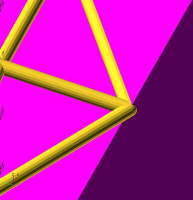
This is your problem.

That is F5 & View/Thrown-together.

Your tetra( [v[8], v[18], v[7], v[15]] *2 ); is inside-out.

Effectively negative, hence difference() doesn't work.

See https://en.wikibooks.org/wiki/OpenSCAD_User_Manual/Primitive_Solids#Mis-ordered_faces

-----Original Message-----

From: Discuss [mailto:discuss-bounces@lists.openscad.org] On Behalf Of rugyoga

Sent: Sat, 19 Dec 2020 16:30

Subject: [OpenSCAD] Problems with difference

I'm helping a friend's daughter to construct a 120 sided solid by

3d printing a skeleton that she's going to cover in mylar.

My attempt is at:

Each face is a triangle.

To save some time, I wanted to print the parallelogram formed by four

triangles

so I only need 30 of them. Ideally I wanted them to snap together like lego

bricks.

So the edges that mate to the neighbouring parallelogram should be half

cylinders.

The code for the parallelogram works great.

But I can't get the difference operator to shave the half cylinders.

I'm subtracting four tetrahedron where face slices the rod in half.

c0 = 3 * (15 + sqrt(5)) / 44;

c1 = (5 - sqrt(5)) / 2;

c2 = 3 * (5 + 4 * sqrt(5)) / 22;

c3 = 3 * (5 + sqrt(5)) / 10;

c4 = sqrt(5);

c5 = (75 + 27 * sqrt(5)) / 44;

c6 = (15 + 9 * sqrt(5)) / 10;

c7 = (5 + sqrt(5)) / 2;

c8 = 3 * (5 + 4 * sqrt(5)) / 11;

function vertices() =

[[0.0, 0.0,  c8], // 0

[0.0, 0.0, -c8],
[ c8, 0.0, 0.0],
[-c8, 0.0, 0.0],
[0.0,  c8, 0.0],
[0.0, -c8, 0.0],
[0.0,  c1,  c7],
[0.0,  c1, -c7],
[0.0, -c1,  c7],
[0.0, -c1, -c7],
[ c7, 0.0,  c1], // 10
[ c7, 0.0, -c1],
[-c7, 0.0,  c1],
[-c7, 0.0, -c1],
[ c1,  c7, 0.0],
[ c1, -c7, 0.0],
[-c1,  c7, 0.0],
[-c1, -c7, 0.0],
[ c3, 0.0,  c6],
[ c3, 0.0, -c6],
[-c3, 0.0,  c6], // 20
[-c3, 0.0, -c6],
[ c6,  c3, 0.0],
[ c6, -c3, 0.0],
[-c6,  c3, 0.0],
[-c6, -c3, 0.0],
[0.0,  c6,  c3],
[0.0,  c6, -c3],
[0.0, -c6,  c3],
[0.0, -c6, -c3],
[ c0,  c2,  c5], // 30
[ c0,  c2, -c5],
[ c0, -c2,  c5],
[ c0, -c2, -c5],
[-c0,  c2,  c5],
[-c0,  c2, -c5],
[-c0, -c2,  c5],
[-c0, -c2, -c5],
[ c5,  c0,  c2],
[ c5,  c0, -c2],
[ c5, -c0,  c2], // 40
[ c5, -c0, -c2],
[-c5,  c0,  c2],
[-c5,  c0, -c2],
[-c5, -c0,  c2],
[-c5, -c0, -c2],
[ c2,  c5,  c0],
[ c2,  c5, -c0],
[ c2, -c5,  c0],
[ c2, -c5, -c0],
[-c2,  c5,  c0], // 50
[-c2,  c5, -c0],
[-c2, -c5,  c0],
[-c2, -c5, -c0],
[ c4,  c4,  c4],
[ c4,  c4, -c4],
[ c4, -c4,  c4],
[ c4, -c4, -c4],
[-c4,  c4,  c4],
[-c4,  c4, -c4],
[-c4, -c4,  c4], // 60
[-c4, -c4, -c4]];

v = vertices()

// cribbed from

module rod(p1,p2,tk){ // draw ray between 2 specified points

translate(p1)

  sphere(r=tk);

translate(p2)

 sphere(r=tk);

translate((p1+p2)/2)

 rotate([-acos((p2[2]-p1[2]) / norm(p1-p2)),0,
         -atan2(p2[0]-p1[0],p2[1]-p1[1])])
    cylinder(r1=tk, h=norm(p1-p2), center = true);

}

module diamond() {

rod(v[0], v[6], 1);
rod(v[0], v[18], 1);
rod(v[0], v[8], 1);
rod(v[0], v[20], 1);
rod(v[20], v[6], 1);
rod(v[6], v[18], 1);
rod(v[18], v[8], 1);
rod(v[8], v[20], 1);

}

module tetra(points) {

 polyhedron( points, [[0, 1, 2], [0, 1, 3], [0, 2, 3], [1, 2, 3]] );

}

module flattened_diamond() {

 difference() {
     diamond();
     tetra( [v[8], v[18], v[7], v[15]] * 2);
     tetra( [v[6], v[18], v[9], v[14]] * 2);
     tetra( [v[8], v[20], v[7], v[15]] * 2);
     tetra( [v[20], v[6], v[19], v[1]] * 2);
 }

}

Can you see anything obvious that I'm doing wrong?

Cheers,

Guy

--


OpenSCAD mailing list

--
This email has been checked for viruses by AVG.
https://www.avg.com
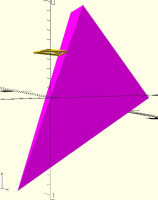
This is your problem. That is F5 & View/Thrown-together. Your tetra( [v[8], v[18], v[7], v[15]] *2 ); is inside-out. Effectively negative, hence difference() doesn't work. See https://en.wikibooks.org/wiki/OpenSCAD_User_Manual/Primitive_Solids#Mis-ordered_faces > -----Original Message----- > From: Discuss [mailto:discuss-bounces@lists.openscad.org] On Behalf Of rugyoga > Sent: Sat, 19 Dec 2020 16:30 > To: discuss@lists.openscad.org > Subject: [OpenSCAD] Problems with difference > > I'm helping a friend's daughter to construct a 120 sided solid by > 3d printing a skeleton that she's going to cover in mylar. > > My attempt is at: > https://github.com/rugyoga/catalan_solids/blob/main/disdyakis_triacontahedron.scad > > Each face is a triangle. > To save some time, I wanted to print the parallelogram formed by four > triangles > so I only need 30 of them. Ideally I wanted them to snap together like lego > bricks. > So the edges that mate to the neighbouring parallelogram should be half > cylinders. > The code for the parallelogram works great. > But I can't get the difference operator to shave the half cylinders. > I'm subtracting four tetrahedron where face slices the rod in half. > > c0 = 3 * (15 + sqrt(5)) / 44; > c1 = (5 - sqrt(5)) / 2; > c2 = 3 * (5 + 4 * sqrt(5)) / 22; > c3 = 3 * (5 + sqrt(5)) / 10; > c4 = sqrt(5); > c5 = (75 + 27 * sqrt(5)) / 44; > c6 = (15 + 9 * sqrt(5)) / 10; > c7 = (5 + sqrt(5)) / 2; > c8 = 3 * (5 + 4 * sqrt(5)) / 11; > > function vertices() = > [[0.0, 0.0, c8], // 0 > [0.0, 0.0, -c8], > [ c8, 0.0, 0.0], > [-c8, 0.0, 0.0], > [0.0, c8, 0.0], > [0.0, -c8, 0.0], > [0.0, c1, c7], > [0.0, c1, -c7], > [0.0, -c1, c7], > [0.0, -c1, -c7], > [ c7, 0.0, c1], // 10 > [ c7, 0.0, -c1], > [-c7, 0.0, c1], > [-c7, 0.0, -c1], > [ c1, c7, 0.0], > [ c1, -c7, 0.0], > [-c1, c7, 0.0], > [-c1, -c7, 0.0], > [ c3, 0.0, c6], > [ c3, 0.0, -c6], > [-c3, 0.0, c6], // 20 > [-c3, 0.0, -c6], > [ c6, c3, 0.0], > [ c6, -c3, 0.0], > [-c6, c3, 0.0], > [-c6, -c3, 0.0], > [0.0, c6, c3], > [0.0, c6, -c3], > [0.0, -c6, c3], > [0.0, -c6, -c3], > [ c0, c2, c5], // 30 > [ c0, c2, -c5], > [ c0, -c2, c5], > [ c0, -c2, -c5], > [-c0, c2, c5], > [-c0, c2, -c5], > [-c0, -c2, c5], > [-c0, -c2, -c5], > [ c5, c0, c2], > [ c5, c0, -c2], > [ c5, -c0, c2], // 40 > [ c5, -c0, -c2], > [-c5, c0, c2], > [-c5, c0, -c2], > [-c5, -c0, c2], > [-c5, -c0, -c2], > [ c2, c5, c0], > [ c2, c5, -c0], > [ c2, -c5, c0], > [ c2, -c5, -c0], > [-c2, c5, c0], // 50 > [-c2, c5, -c0], > [-c2, -c5, c0], > [-c2, -c5, -c0], > [ c4, c4, c4], > [ c4, c4, -c4], > [ c4, -c4, c4], > [ c4, -c4, -c4], > [-c4, c4, c4], > [-c4, c4, -c4], > [-c4, -c4, c4], // 60 > [-c4, -c4, -c4]]; > > v = vertices() > > // cribbed from > http://forum.openscad.org/Rods-between-3D-points-tp13104p13115.html > > module rod(p1,p2,tk){ // draw ray between 2 specified points > translate(p1) > sphere(r=tk); > translate(p2) > sphere(r=tk); > translate((p1+p2)/2) > rotate([-acos((p2[2]-p1[2]) / norm(p1-p2)),0, > -atan2(p2[0]-p1[0],p2[1]-p1[1])]) > cylinder(r1=tk, h=norm(p1-p2), center = true); > } > > module diamond() { > rod(v[0], v[6], 1); > rod(v[0], v[18], 1); > rod(v[0], v[8], 1); > rod(v[0], v[20], 1); > rod(v[20], v[6], 1); > rod(v[6], v[18], 1); > rod(v[18], v[8], 1); > rod(v[8], v[20], 1); > } > > module tetra(points) { > polyhedron( points, [[0, 1, 2], [0, 1, 3], [0, 2, 3], [1, 2, 3]] ); > } > > module flattened_diamond() { > difference() { > diamond(); > tetra( [v[8], v[18], v[7], v[15]] * 2); > tetra( [v[6], v[18], v[9], v[14]] * 2); > tetra( [v[8], v[20], v[7], v[15]] * 2); > tetra( [v[20], v[6], v[19], v[1]] * 2); > } > } > > Can you see anything obvious that I'm doing wrong? > Cheers, > Guy > > > > -- > Sent from: http://forum.openscad.org/ > > _______________________________________________ > OpenSCAD mailing list > Discuss@lists.openscad.org > http://lists.openscad.org/mailman/listinfo/discuss_lists.openscad.org -- This email has been checked for viruses by AVG. https://www.avg.com
M
MichaelAtOz
Sat, Dec 19, 2020 7:11 AM

Sorry, that's a bit misleading.
Not all inside-out, I keep forgetting on my normal system, a VM, I use S/W
rendering, it draws thrown-together a bit wrong.
I did it on a RM, two of the faces are bad.


OpenSCAD Admin - email* me if you need anything,  or if I've done something stupid...

  • on the Forum, click on my MichaelAtOz label, there is a link to email me.

Unless specifically shown otherwise above, my contribution is in the Public Domain; to the extent possible under law, I have waived all copyright and related or neighbouring rights to this work. Obviously inclusion of works of previous authors is not included in the above.

--
Sent from: http://forum.openscad.org/

Sorry, that's a bit misleading. Not all inside-out, I keep forgetting on my normal system, a VM, I use S/W rendering, it draws thrown-together a bit wrong. I did it on a RM, two of the faces are bad. ----- OpenSCAD Admin - email* me if you need anything, or if I've done something stupid... * on the Forum, click on my MichaelAtOz label, there is a link to email me. Unless specifically shown otherwise above, my contribution is in the Public Domain; to the extent possible under law, I have waived all copyright and related or neighbouring rights to this work. Obviously inclusion of works of previous authors is not included in the above. -- Sent from: http://forum.openscad.org/
M
MichaelAtOz
Sat, Dec 19, 2020 7:15 AM

Also note your aim is a bit off

-----Original Message-----

From: Discuss [mailto:discuss-bounces@lists.openscad.org] On Behalf Of MichaelAtOz

Sent: Sat, 19 Dec 2020 18:12

Subject: Re: [OpenSCAD] Problems with difference

Sorry, that's a bit misleading.

Not all inside-out, I keep forgetting on my normal system, a VM, I use S/W

rendering, it draws thrown-together a bit wrong.

I did it on a RM, two of the faces are bad.


OpenSCAD Admin - email* me if you need anything,  or if I've done something stupid...

  • on the Forum, click on my MichaelAtOz label, there is a link to email me.

Unless specifically shown otherwise above, my contribution is in the Public Domain; to the

extent possible under law, I have waived all copyright and related or neighbouring rights

to this work. Obviously inclusion of works of previous authors is not included in the

above.

--


OpenSCAD mailing list

--
This email has been checked for viruses by AVG.
https://www.avg.com

Also note your aim is a bit off > -----Original Message----- > From: Discuss [mailto:discuss-bounces@lists.openscad.org] On Behalf Of MichaelAtOz > Sent: Sat, 19 Dec 2020 18:12 > To: discuss@lists.openscad.org > Subject: Re: [OpenSCAD] Problems with difference > > Sorry, that's a bit misleading. > Not all inside-out, I keep forgetting on my normal system, a VM, I use S/W > rendering, it draws thrown-together a bit wrong. > I did it on a RM, two of the faces are bad. > > > > ----- > OpenSCAD Admin - email* me if you need anything, or if I've done something stupid... > > * on the Forum, click on my MichaelAtOz label, there is a link to email me. > > Unless specifically shown otherwise above, my contribution is in the Public Domain; to the > extent possible under law, I have waived all copyright and related or neighbouring rights > to this work. Obviously inclusion of works of previous authors is not included in the > above. > > -- > Sent from: http://forum.openscad.org/ > > _______________________________________________ > OpenSCAD mailing list > Discuss@lists.openscad.org > http://lists.openscad.org/mailman/listinfo/discuss_lists.openscad.org -- This email has been checked for viruses by AVG. https://www.avg.com
R
rugyoga
Sat, Dec 19, 2020 8:36 AM

Yes!
The fix was:

module tetra(points) {
polyhedron( points, [[2, 1, 0], [1, 3, 0], [2, 3, 1], [0, 3, 2]] );
}

Many thanks!

--
Sent from: http://forum.openscad.org/

Yes! The fix was: module tetra(points) { polyhedron( points, [[2, 1, 0], [1, 3, 0], [2, 3, 1], [0, 3, 2]] ); } Many thanks! -- Sent from: http://forum.openscad.org/
A
adrianv
Sat, Dec 19, 2020 3:34 PM

You might find this approach to making polyhedra interesting:

https://www.myminifactory.com/object/3d-print-folding-pentagonal-hexacontahedron-puzzle-85216

I made the tetrahedron and it worked very nicely.  I'm not sure I fully
understand your plan, but if I were trying to assemble 30 of those "diamond"
modules I doubt they would align and close up once I was done.  If you
haven't thought about it you might want to introduce more registration
geometry (e.g. alignment groove down the edge) so that the pieces hopefully
line up properly.  I'd also be worried about the labor of removing support
material and the very small surface area for bed adhesion.

Another observation:  I tried to render the full_skeleton model from the
above example.  It's a pretty obnoxious model because every edge is in there
twice and there are a bunch of repeated spheres at each vertex.  Anyhow, it
crashed opencad RC3 to try to render it.

I made a generic wireframe module that takes out repeated edges and vertices
and was able to render this beast, though it did take 24 minutes.

If you're interested in polyhedra you might also want to take a look at
this:

https://github.com/revarbat/BOSL2/wiki/polyhedra.scad

It will give you vertices and faces for all the catalan solids (and others).

--
Sent from: http://forum.openscad.org/

You might find this approach to making polyhedra interesting: https://www.myminifactory.com/object/3d-print-folding-pentagonal-hexacontahedron-puzzle-85216 I made the tetrahedron and it worked very nicely. I'm not sure I fully understand your plan, but if I were trying to assemble 30 of those "diamond" modules I doubt they would align and close up once I was done. If you haven't thought about it you might want to introduce more registration geometry (e.g. alignment groove down the edge) so that the pieces hopefully line up properly. I'd also be worried about the labor of removing support material and the very small surface area for bed adhesion. Another observation: I tried to render the full_skeleton model from the above example. It's a pretty obnoxious model because every edge is in there twice and there are a bunch of repeated spheres at each vertex. Anyhow, it crashed opencad RC3 to try to render it. I made a generic wireframe module that takes out repeated edges and vertices and was able to render this beast, though it did take 24 minutes. If you're interested in polyhedra you might also want to take a look at this: https://github.com/revarbat/BOSL2/wiki/polyhedra.scad It will give you vertices and faces for all the catalan solids (and others). -- Sent from: http://forum.openscad.org/