

discuss@lists.openscad.org

OpenSCAD general discussion Mailing-list

View all threads

OpenSCAD language - replace it with Python3

D
David
Tue, Dec 1, 2020 10:47 PM

Larry, WASH YOUR MOUTH OUT WITH SOAP!!!

 David

On 12/1/20 1:41 PM, lar3ry@sasktel.net wrote:

On 1 Dec 2020 at 11:57, adrianv wrote:

  • As close to natural human language as possible.

This seems to be somewhat in conflict with your first item.  Human language
is redundant, with extra verbiage.  It is not succinct and may not be
precise.  (I personally think human language is a terrible model for a
computer language, with so much unnecessary complexity and variability.)  I
also think that OpenSCAD is pretty far from natural human language by any
metric.  What would that look like?  "Put a cylinder from (3,4,5) to
(9,10,12)"  "Turn this cube 75 degrees to the right"  "Move it up by 10"

Perhaps he's advocating the use of COBOL. :-)


OpenSCAD mailing list
Discuss@lists.openscad.org
http://lists.openscad.org/mailman/listinfo/discuss_lists.openscad.org
Larry, WASH YOUR MOUTH OUT WITH SOAP!!!  David On 12/1/20 1:41 PM, lar3ry@sasktel.net wrote: > On 1 Dec 2020 at 11:57, adrianv wrote: >>> * As close to natural human language as possible. >> This seems to be somewhat in conflict with your first item. Human language >> is redundant, with extra verbiage. It is not succinct and may not be >> precise. (I personally think human language is a terrible model for a >> computer language, with so much unnecessary complexity and variability.) I >> also think that OpenSCAD is pretty far from natural human language by any >> metric. What would that look like? "Put a cylinder from (3,4,5) to >> (9,10,12)" "Turn this cube 75 degrees to the right" "Move it up by 10" > Perhaps he's advocating the use of COBOL. :-) > > > > > _______________________________________________ > OpenSCAD mailing list > Discuss@lists.openscad.org > http://lists.openscad.org/mailman/listinfo/discuss_lists.openscad.org
M
MichaelAtOz
Wed, Dec 2, 2020 12:23 AM

Human language is redundant, with extra verbiage.  It is not succinct and may not be

precise.

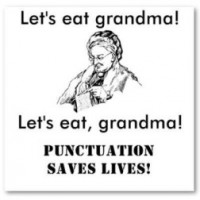
Lets-eat-grandma

--
This email has been checked for viruses by AVG.
https://www.avg.com
> Human language is redundant, with extra verbiage. It is not succinct and may not be > precise. Lets-eat-grandma -- This email has been checked for viruses by AVG. https://www.avg.com

RD
Revar Desmera
Wed, Dec 2, 2020 1:45 AM

The problem with this idea is that the used file can only see constants that are defined or included inside itself.  And if you do that, the redefinition bug shows up.

  • Revar

On Dec 1, 2020, at 1:32 PM, A. Craig West acraigwest@gmail.com wrote:

On Tue, Dec 1, 2020 at 4:04 PM adrianv avm4@cornell.edu wrote:

I've done this.  But in a library context it only works if you use include
instead of use (which, at the moment, is necessary anyway for performance
reasons), but it also results in serious namespace clutter.  And
furthermore, you can't inspect the result and tell what it is.  With real
structures the field names are part of the structure and so you can inspect
the output from foo and understand it.

My solution for this is for libraries I have a .h file for includes,
and a .scad file for uses. Rge performance issues for .use are a
separate issue...


OpenSCAD mailing list
Discuss@lists.openscad.org
http://lists.openscad.org/mailman/listinfo/discuss_lists.openscad.org
The problem with this idea is that the used file can only see constants that are defined or included inside itself. And if you do that, the redefinition bug shows up. - Revar > On Dec 1, 2020, at 1:32 PM, A. Craig West <acraigwest@gmail.com> wrote: > > On Tue, Dec 1, 2020 at 4:04 PM adrianv <avm4@cornell.edu> wrote: >> I've done this. But in a library context it only works if you use include >> instead of use (which, at the moment, is necessary anyway for performance >> reasons), but it also results in serious namespace clutter. And >> furthermore, you can't inspect the result and tell what it is. With real >> structures the field names are part of the structure and so you can inspect >> the output from foo and understand it. > My solution for this is for libraries I have a .h file for includes, > and a .scad file for uses. Rge performance issues for .use are a > separate issue... > > _______________________________________________ > OpenSCAD mailing list > Discuss@lists.openscad.org > http://lists.openscad.org/mailman/listinfo/discuss_lists.openscad.org
L
lar3ry@sasktel.net
Wed, Dec 2, 2020 5:08 AM

Heh! What, you wouldn't want to write this?

SUBTRACT CYLINDER from CUBE giving HOLE

:-)

On 1 Dec 2020 at 16:47, David wrote:

Larry, WASH YOUR MOUTH OUT WITH SOAP!!!
 David

On 12/1/20 1:41 PM, lar3ry@sasktel.net wrote:

On 1 Dec 2020 at 11:57, adrianv wrote:

  • As close to natural human language as possible.

This seems to be somewhat in conflict with your first item.  Human language
is redundant, with extra verbiage.  It is not succinct and may not be
precise.  (I personally think human language is a terrible model for a
computer language, with so much unnecessary complexity and variability.)  I
also think that OpenSCAD is pretty far from natural human language by any
metric.  What would that look like?  "Put a cylinder from (3,4,5) to
(9,10,12)"  "Turn this cube 75 degrees to the right"  "Move it up by 10"

Perhaps he's advocating the use of COBOL. :-)


OpenSCAD mailing list
Discuss@lists.openscad.org
http://lists.openscad.org/mailman/listinfo/discuss_lists.openscad.org

Heh! What, you wouldn't want to write this? SUBTRACT CYLINDER from CUBE giving HOLE :-) On 1 Dec 2020 at 16:47, David wrote: > Larry, WASH YOUR MOUTH OUT WITH SOAP!!! >  David > > On 12/1/20 1:41 PM, lar3ry@sasktel.net wrote: > > On 1 Dec 2020 at 11:57, adrianv wrote: > >>> * As close to natural human language as possible. > >> This seems to be somewhat in conflict with your first item. Human language > >> is redundant, with extra verbiage. It is not succinct and may not be > >> precise. (I personally think human language is a terrible model for a > >> computer language, with so much unnecessary complexity and variability.) I > >> also think that OpenSCAD is pretty far from natural human language by any > >> metric. What would that look like? "Put a cylinder from (3,4,5) to > >> (9,10,12)" "Turn this cube 75 degrees to the right" "Move it up by 10" > > Perhaps he's advocating the use of COBOL. :-) > > > > > > > > > > _______________________________________________ > > OpenSCAD mailing list > > Discuss@lists.openscad.org > > http://lists.openscad.org/mailman/listinfo/discuss_lists.openscad.org > > _______________________________________________ > OpenSCAD mailing list > Discuss@lists.openscad.org > http://lists.openscad.org/mailman/listinfo/discuss_lists.openscad.org >
AC
A. Craig West
Wed, Dec 2, 2020 9:44 AM

Don't forget the pages of boilerplate code surrounding it...

On Wed, 2 Dec 2020, 00:09 , lar3ry@sasktel.net wrote:

Heh! What, you wouldn't want to write this?

SUBTRACT CYLINDER from CUBE giving HOLE

:-)

On 1 Dec 2020 at 16:47, David wrote:

Larry, WASH YOUR MOUTH OUT WITH SOAP!!!
David

On 12/1/20 1:41 PM, lar3ry@sasktel.net wrote:

On 1 Dec 2020 at 11:57, adrianv wrote:

  • As close to natural human language as possible.

This seems to be somewhat in conflict with your first item.  Human

language

is redundant, with extra verbiage.  It is not succinct and may not be
precise.  (I personally think human language is a terrible model for a
computer language, with so much unnecessary complexity and

variability.)  I

also think that OpenSCAD is pretty far from natural human language by

any

metric.  What would that look like?  "Put a cylinder from (3,4,5) to
(9,10,12)"  "Turn this cube 75 degrees to the right"  "Move it up by

10"

Don't forget the pages of boilerplate code surrounding it... On Wed, 2 Dec 2020, 00:09 , <lar3ry@sasktel.net> wrote: > Heh! What, you wouldn't want to write this? > > SUBTRACT CYLINDER from CUBE giving HOLE > > :-) > > On 1 Dec 2020 at 16:47, David wrote: > > Larry, WASH YOUR MOUTH OUT WITH SOAP!!! > > David > > > > On 12/1/20 1:41 PM, lar3ry@sasktel.net wrote: > > > On 1 Dec 2020 at 11:57, adrianv wrote: > > >>> * As close to natural human language as possible. > > >> This seems to be somewhat in conflict with your first item. Human > language > > >> is redundant, with extra verbiage. It is not succinct and may not be > > >> precise. (I personally think human language is a terrible model for a > > >> computer language, with so much unnecessary complexity and > variability.) I > > >> also think that OpenSCAD is pretty far from natural human language by > any > > >> metric. What would that look like? "Put a cylinder from (3,4,5) to > > >> (9,10,12)" "Turn this cube 75 degrees to the right" "Move it up by > 10" > > > Perhaps he's advocating the use of COBOL. :-) > > > > > > > > > > > > > > > _______________________________________________ > > > OpenSCAD mailing list > > > Discuss@lists.openscad.org > > > http://lists.openscad.org/mailman/listinfo/discuss_lists.openscad.org > > > > _______________________________________________ > > OpenSCAD mailing list > > Discuss@lists.openscad.org > > http://lists.openscad.org/mailman/listinfo/discuss_lists.openscad.org > > > > > > > _______________________________________________ > OpenSCAD mailing list > Discuss@lists.openscad.org > http://lists.openscad.org/mailman/listinfo/discuss_lists.openscad.org >
MD
Michele Denber
Wed, Dec 2, 2020 4:39 PM

On 12-02-2020 4:44 AM, A. Craig West wrote:

Don't forget the pages of boilerplate code surrounding it...

Of course!  When your performance review depends on the number of lines
of code you wrote last month, more is always better.

            - Michele

On 12-02-2020 4:44 AM, A. Craig West wrote: > Don't forget the pages of boilerplate code surrounding it... Of course!  When your performance review depends on the number of lines of code you wrote last month, more is always better.             - Michele
WF
William F. Adams
Wed, Dec 2, 2020 5:15 PM

Michele Denber mdenber@gmx.com wrote:

Of course!  When your performance review depends on the number of lines
of code you wrote last month, more is always better.

Best ever response on that sort of thing:
https://www.folklore.org/StoryView.py?story=Negative_2000_Lines_Of_Code.txt
William

Michele Denber <mdenber@gmx.com> wrote: >Of course!  When your performance review depends on the number of lines >of code you wrote last month, more is always better. Best ever response on that sort of thing: https://www.folklore.org/StoryView.py?story=Negative_2000_Lines_Of_Code.txt William
DM
Doug Moen
Wed, Dec 2, 2020 6:08 PM

Troberg wrote:

  • As close to natural human language as possible.

There is a good idea here, but it needs to be unpacked.

I've been working on a "next generation OpenSCAD-like language" for a few years now. One requirement is to be friendly to novice programmers. Part of that is the design of the syntax. But how do you design a novice friendly syntax? I'd prefer to base the design on empirical scientific research, rather than my own guesses and intuition. There are a number of researchers working in this area. The research I've found most helpful is by Felienne Hermans, and she calls her research-based approach "pronounceable programming".

When a person is learning their first programming language, mastering the syntax is initially the biggest challenge. This is called "the syntax cliff". One very common strategy used by first time programmers for reading code is to verbalize it, which means pronouncing it out loud, but in your head. This is the underlying cause of a number of problems and stumbling blocks. Punctuation characters that look just like non-semantic "noise" are not pronounced, and then they get left out of the person's internal mental representation of the code, leading to further problems. Homophones (two tokens that are pronounced the same but typed differently) cause problems, especially for non-English speakers.

So, a language syntax is more beginner friendly if there is a more high fidelity way of pronouncing code out loud, so that the spoken version of the code is mentally meaningful, and so that the spoken version can be converted back into syntactically correct code.

This leads to the idea of "pronounceable programming". It doesn't mean you can't use symbols. "2+2" can be pronounced "two plus two" and doesn't cause a problem, for example. People think that Python has a beginner-friendly syntax, but this research shows there are actually some problems. For example, the ":" at the end of some statements (such as if, while, etc) is a pitfall for novice programmers, for reasons relating to pronounceable programming.

So I'm trying to figure out how to apply this research to Curv. I'm not saying I have all the answers, but I'll give one example of syntax design that I think is a success story.

In OpenSCAD, a numeric range is written [i:j:k]. How do you pronounce that? One you have spoken it out loud, how does the pronounciation help you to figure out which number is the beginning of the range, which is the step value, and which is the end of the range? In Curv, the same range is written as
i .. k by j
This is pronounced "i to k by j". This pronounciation has the structure of natural language, and it tells you the meaning of each argument.

Troberg wrote: > * As close to natural human language as possible. There is a good idea here, but it needs to be unpacked. I've been working on a "next generation OpenSCAD-like language" for a few years now. One requirement is to be friendly to novice programmers. Part of that is the design of the syntax. But how do you design a novice friendly syntax? I'd prefer to base the design on empirical scientific research, rather than my own guesses and intuition. There are a number of researchers working in this area. The research I've found most helpful is by Felienne Hermans, and she calls her research-based approach "pronounceable programming". When a person is learning their first programming language, mastering the syntax is initially the biggest challenge. This is called "the syntax cliff". One very common strategy used by first time programmers for reading code is to verbalize it, which means pronouncing it out loud, but in your head. This is the underlying cause of a number of problems and stumbling blocks. Punctuation characters that look just like non-semantic "noise" are not pronounced, and then they get left out of the person's internal mental representation of the code, leading to further problems. Homophones (two tokens that are pronounced the same but typed differently) cause problems, especially for non-English speakers. So, a language syntax is more beginner friendly if there is a more high fidelity way of pronouncing code out loud, so that the spoken version of the code is mentally meaningful, and so that the spoken version can be converted back into syntactically correct code. This leads to the idea of "pronounceable programming". It doesn't mean you can't use symbols. "2+2" can be pronounced "two plus two" and doesn't cause a problem, for example. People think that Python has a beginner-friendly syntax, but this research shows there are actually some problems. For example, the ":" at the end of some statements (such as if, while, etc) is a pitfall for novice programmers, for reasons relating to pronounceable programming. So I'm trying to figure out how to apply this research to Curv. I'm not saying I have all the answers, but I'll give one example of syntax design that I think is a success story. In OpenSCAD, a numeric range is written [i:j:k]. How do you pronounce that? One you have spoken it out loud, how does the pronounciation help you to figure out which number is the beginning of the range, which is the step value, and which is the end of the range? In Curv, the same range is written as i .. k by j This is pronounced "i to k by j". This pronounciation has the structure of natural language, and it tells you the meaning of each argument.
WF
William F. Adams
Wed, Dec 2, 2020 6:14 PM

<big snip of Doug Moen's excellent insights on syntax and the barriers which it raises>
This is a big part of why I just do all my design work in BlockSCAD initially, only switching to OpenSCAD when I need features which the former doesn't have (the customizer and projection() being the most notable).
But I've been meaning to look at Curv for a while now, and will have to move it up closer to the top.
William

<big snip of Doug Moen's excellent insights on syntax and the barriers which it raises> This is a big part of why I just do all my design work in BlockSCAD initially, only switching to OpenSCAD when I need features which the former doesn't have (the customizer and projection() being the most notable). But I've been meaning to look at Curv for a while now, and will have to move it up closer to the top. William
A
arnholm@arnholm.org
Wed, Dec 2, 2020 6:42 PM

On 2020-12-02 19:08, Doug Moen wrote:

This is pronounced "i to k by j". This pronounciation has the
structure of natural language, and it tells you the meaning of each
argument.

In English perhaps, I don't think it applies to other languages,
certainly not no mine. By I don't buy the idea that pronounciation is a
goal, or that one should develop a new programming language to do
Constructive Solid Geometry.

Carsten Arnholm

On 2020-12-02 19:08, Doug Moen wrote: > This is pronounced "i to k by j". This pronounciation has the > structure of natural language, and it tells you the meaning of each > argument. In English perhaps, I don't think it applies to other languages, certainly not no mine. By I don't buy the idea that pronounciation is a goal, or that one should develop a new programming language to do Constructive Solid Geometry. Carsten Arnholm